Baby Sleep Music Benefits: Why Gentle Melodies Help Your Little One Drift Off Faster

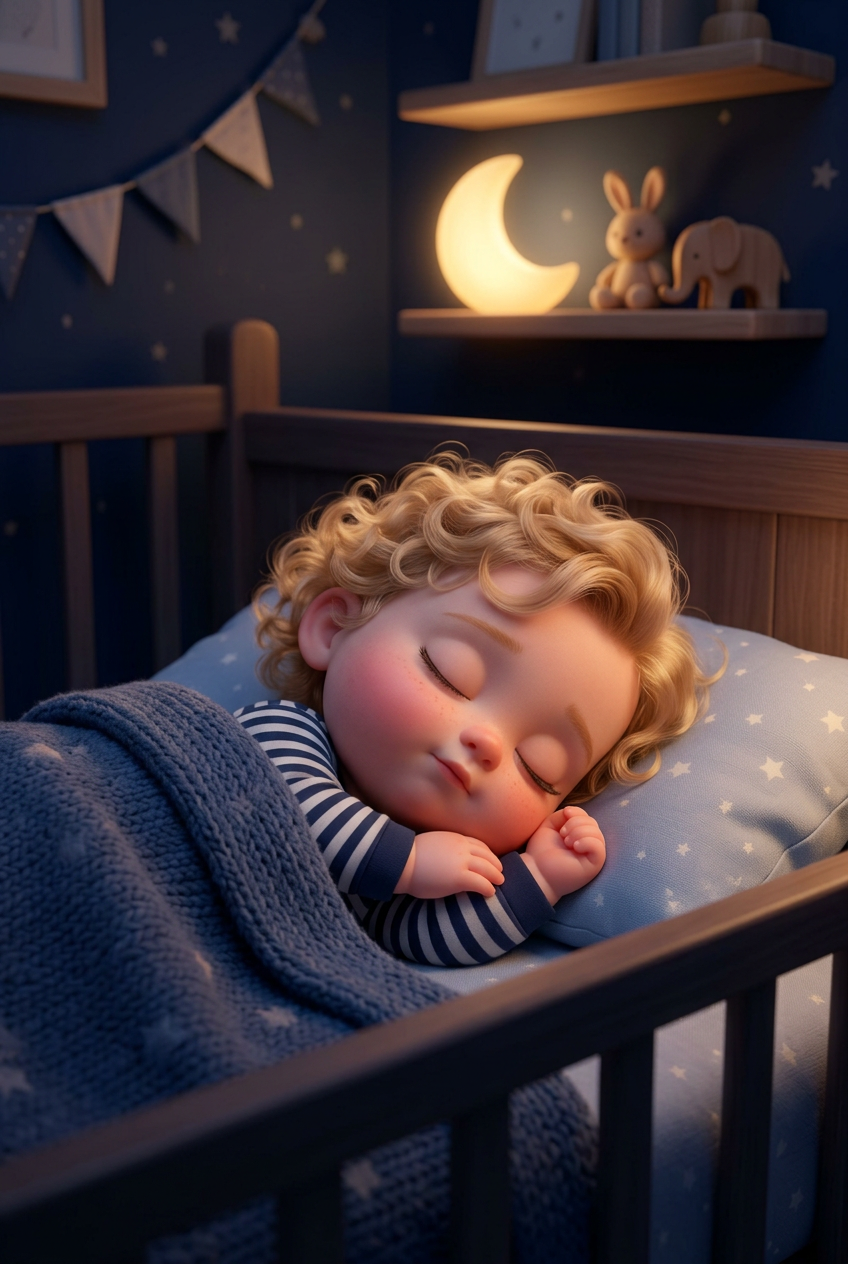
Baby Sleep Music Benefits: Why Gentle Melodies Help Your Little One Drift Off Faster
It's 2 a.m. You've tried rocking, shushing, feeding, and pacing the hallway for what feels like the hundredth time. Your baby's eyes are heavy but they just won't close. If this sounds familiar, you're far from alone — and there's a surprisingly simple tool that science says can help: sleep music.
Gentle melodies have been soothing babies to sleep for centuries, but modern research is now explaining exactly why music works so well. Here's what every tired parent should know about baby sleep music benefits.
The Science Behind Baby Sleep Music
Babies are born into a world of overwhelming sensory input. After nine months in the womb — a surprisingly noisy environment filled with the rhythm of a heartbeat and the muffled sounds of the outside world — complete silence can actually feel unsettling to newborns.
Research published in the journal Pediatrics found that music with a slow, steady tempo (around 60-80 beats per minute) can help regulate a baby's heart rate, slow breathing, and encourage the relaxation response needed for sleep. This is why gentle piano music, in particular, works so beautifully — the soft, repetitive notes mimic the predictable rhythms babies already find comforting.
Key Benefits of Sleep Music for Babies
- Faster sleep onset: Babies exposed to soft music at bedtime fall asleep significantly faster than those in silence.
- Deeper, longer sleep: Consistent musical cues help babies spend more time in restorative sleep stages.
- Reduced nighttime waking: The predictable sound environment helps babies self-soothe when they surface between sleep cycles.
- Calmer bedtime routines: Music acts as an auditory cue that signals "it's time to sleep," training the brain over time.
- Reduced colic symptoms: Studies show music can measurably reduce crying in colicky infants.
Why Gentle Piano Music Works Best
Not all music is created equal when it comes to baby sleep. Loud, fast, or unpredictable sounds can stimulate rather than soothe. Gentle instrumental music — especially piano — hits the sweet spot because it's:
Melodically simple: Without complex lyrics or sudden changes, piano music gives the brain something pleasant to follow without demanding active attention.
Tonally warm: The natural resonance of piano notes has a calming effect that maps well onto how the infant auditory system processes sound.
Consistently paced: Well-composed sleep music maintains a steady, predictable rhythm that encourages entrainment — where the body's own rhythms begin to sync with the music.
At Musiscape, every track is composed specifically with infant sleep science in mind. The tempos, key signatures, and dynamics are all calibrated to work with your baby's natural sleep biology, not against it.
How to Use Sleep Music Effectively
Getting the most out of baby sleep music comes down to consistency. Here are a few tips:
Start before they're overtired. Begin your sleep music routine when your baby shows the first signs of tiredness — eye rubbing, yawning, looking away. Once they're overtired, it's harder for music to work its magic.
Keep the volume low. Sleep music should be a gentle background presence, around 50-60 decibels — similar to a quiet conversation. Too loud overstimulates; too quiet loses the masking effect.
Use it consistently. Repetition is key. When your baby hears the same music every night, it becomes a powerful sleep trigger. Within a few weeks, many parents find their baby begins to relax the moment the music starts.
Let it play through the night. Some babies sleep better with music playing continuously, especially if they're light sleepers who wake between cycles. A playlist long enough to last the whole night removes the jarring silence when a track ends.
When to Start
There's no wrong age to start using sleep music. Newborns respond well from day one — in fact, playing the same music during the last trimester of pregnancy means your baby may already recognize it at birth. For older babies and toddlers, it's never too late to introduce a musical bedtime routine.
The most important thing is to choose music that is specifically designed for sleep — not just any playlist, but tracks composed with your baby's neurology in mind.
You can explore Musiscape's full library of gentle piano sleep music on Spotify — it's free to stream.
Explore Musiscape's library of gentle piano sleep music and find the perfect sound for your baby's bedtime. Because every family deserves a peaceful night.
MUSISCAPE APP
More than 1000 peaceful sleep tracks — in one app
Gentle piano for bedtime, a sleep timer up to 4 hours, and music that plays all night with the screen off. Free to download.

On iPhone? The iOS app is coming soon.